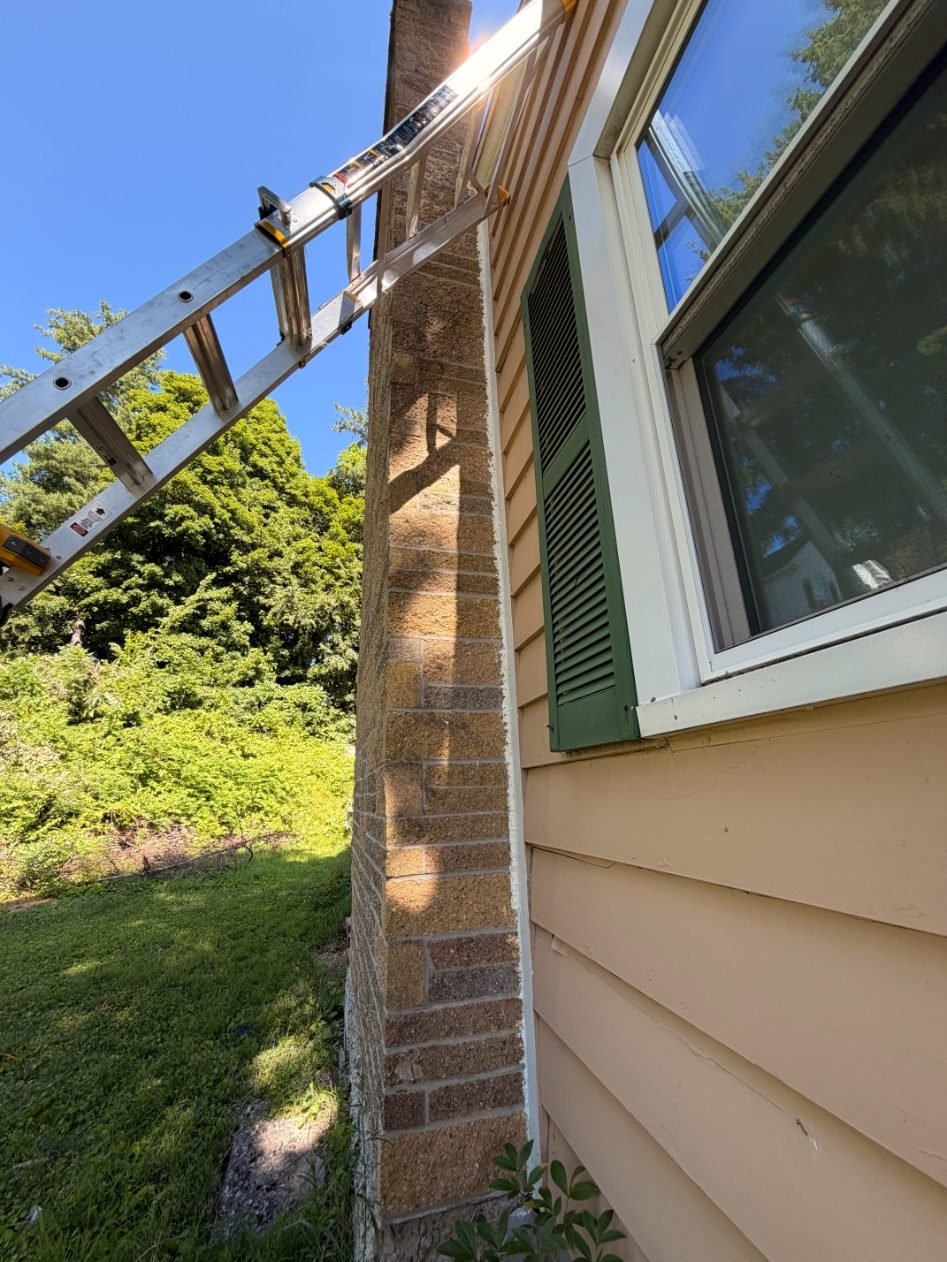
What is masonry?
Building with brick, stone, block and pavers, held together with mortar. Here's what that means in practice, and what a masonry contractor actually does.
Masonry is building with individual units — brick, stone, concrete block, pavers — set in place and bound together with mortar. Think of mortar as the glue between. The units do the carrying; the mortar spreads the load, seals out weather, and gives the wall somewhere to move.
It is one of the oldest trades there is. The pyramids are masonry. So are castles, cathedrals, aqueducts and city walls that have been standing for centuries. The materials have changed a little and the tools have changed more, but the fundamentals a mason works with today would be recognizable to someone laying stone two thousand years ago.
Today most masonry is closer to home: house walls and veneer, chimneys and fireplaces, patios, walkways, steps, retaining walls and fire pits. The same principles apply whether it is a garden wall or a facade — set level, bond properly, control water, and match the mortar to the material.
What is a masonry contractor?
A masonry contractor is the brick-and-stone expert who builds, repairs and restores those structures. If your chimney is coming apart, if your mortar joints are crumbling, if a retaining wall is leaning, or if you want a stone patio built properly the first time — this is who you call.
It is a distinct trade from general contracting. A mason is reading the wall as much as building it: how water is moving through it, what mortar it was built with, whether the brick is soft or hard, and whether a problem is the masonry's fault or something else entirely dumping water onto it.
Masonry as a trade
The technical side is real work and it is learned on the wall, not in a manual. It covers laying structural walls that carry load, mixing mortar to the right proportions and consistency for the material and the weather, reading plans and setting out to them, keeping courses level and walls plumb over long runs, cutting units cleanly, and handling heavy material safely all day without wearing yourself or the site out.
- Structural walls that carry and transfer load correctly
- Mixing mortar to suit the units, the exposure and the temperature
- Reading plans, setting out, and holding level and plumb
- Bond patterns, ties, lintels, and how a wall sheds water
- Safe handling and staging on heavy, awkward material
Masonry as an art
The other half is craft, and it is what separates two walls with identical materials and identical dimensions. Arches. Custom fireplaces. Bond patterns like herringbone, basket weave and Flemish bond. Curved walls and radius steps. Joint profiles tooled consistently across an entire elevation so the wall reads as one piece.
Two masons can build the same wall to the same spec and the craftsman's will look better. Tighter joints, straighter lines, units sorted so colour runs evenly instead of clumping, cuts placed where they are least visible. None of it shows up on a materials list, and all of it shows up on the finished job for as long as the wall stands.
What we handle
Goodspeed Masonry & Restoration is a masonry outfit — brick, stone, block and pavers. Repair and restoration, repointing and facade work, chimneys and fireplaces, patios, walkways, steps and retaining walls, and new brick and stone construction, across Spencer, Charlton, Worcester and the surrounding towns. Trade-schooled through four years of vocational training and on the wall every day since.
We do not pour concrete, waterproof foundations, or install drainage systems. If what you are looking at turns out to be one of those — or a gutter and grading problem wearing a masonry costume — we will say so rather than sell you the wrong fix.
See what we do, read what brick pointing is, or send a couple of photos.
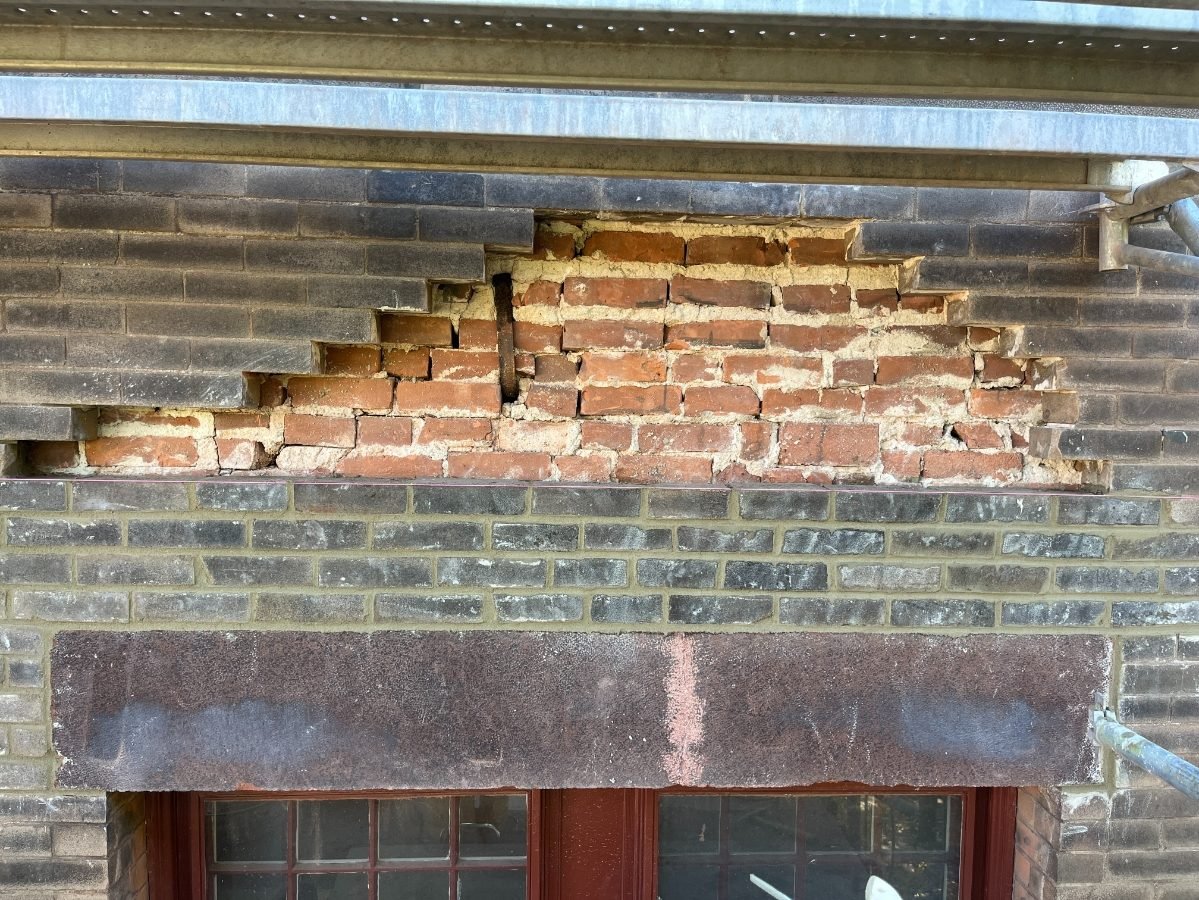
Tell us what's broken.
Send two photos. Get a straight number. Most estimates within 48 hours, across Central Massachusetts and the towns we cover.