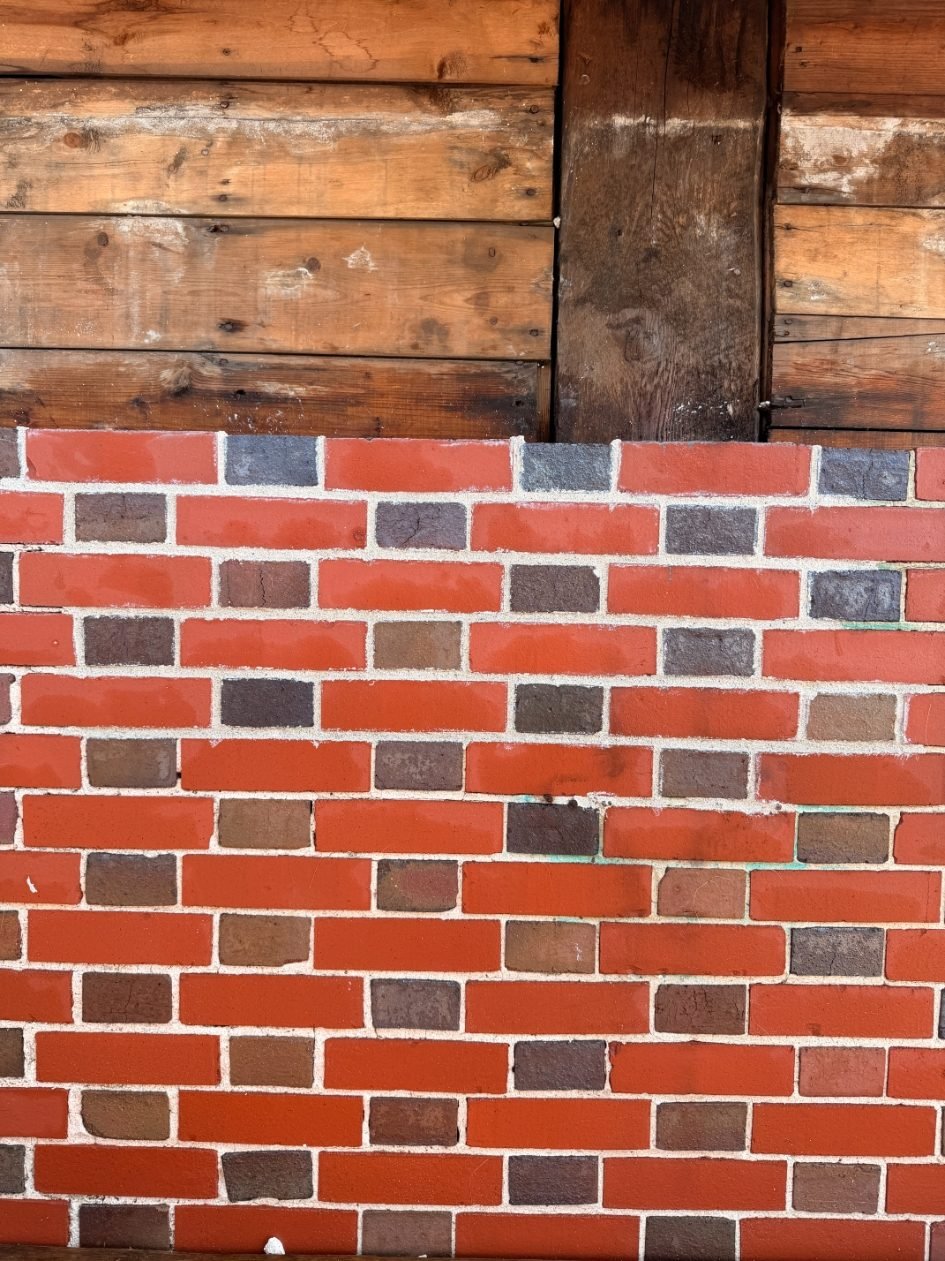
What actually drives the price.
Every masonry job is priced off the same handful of things. Here's what they are, so the number you get makes sense.
Nobody likes getting a masonry quote that arrives as one lump number with no explanation behind it. The work isn't mysterious. It comes down to how much has to come apart, how hard it is to reach, and what it takes to make the new work match the old.
Real numbers for our area
Most people want a figure before they want a lecture, so here's where the work generally lands in Worcester and Middlesex County:
- Repointing — typically $40 per square foot
- Small chimney repairs — typically $500–$1,500
- Full chimney rebuilds — typically $3,000–$10,000+
Those are ranges, not quotes. Every job gets priced in person after we look at it — access, height, joint depth, mortar matching, and how far the damage has actually spread all move the number. Anyone who gives you a firm price over the phone is guessing, and the guess is usually in their favor.
If you want a real number with nothing riding on it, the $100 masonry inspection is the low-risk way to get one — and the $100 comes off the job if you hire us.
1 · How much of it has failed
The single biggest factor is how far the damage runs. Raking out and repointing a section of open joints is one kind of job. Taking a wall down course by course because the brick behind the joints is shot is another. From the ground those two can look almost identical, which is why nobody should quote a masonry repair from a phone call alone.
When we look at a job, we're trying to find the honest edge of the damage — the point where good material starts. Pricing past that edge is padding. Stopping short of it means you pay again in three years. Repointing vs. rebuilding walks through how we tell.
2 · Getting to the work
Access moves the number more than most homeowners expect. Work you can reach from a ladder at chest height is straightforward. The same square footage forty feet up a chimney, over a roof pitch, behind a deck, or on a street with no place to stage material means staging, scaffold, and time before a single joint gets cut.
That's not an upcharge — it's real labor and real equipment. It's also why a small patch in a hard place can cost more than a bigger patch somewhere easy, and why it's often worth doing all the high work in one visit while the scaffold is already up.
3 · Matching the material
An old house wasn't built with modern mortar, and putting modern mortar on it is the fastest way to break more brick. Softer historic brick needs a softer mix so the joint gives before the brick does. Matching the mix, the color, and the joint profile takes time and sometimes takes sourcing.
Same with brick itself. Standard sizes are easy. A discontinued size, a water-struck face, or a specific color range may mean hunting reclaimed stock. When a perfect match isn't possible, we say that before you commit, not after.
4 · What's underneath
Masonry usually fails because water got somewhere it shouldn't. If the real cause is a cracked crown, failed flashing, bad grading, or a gutter dumping against the wall, the repair has to include the cause or you're buying the same repair again. Sometimes that adds scope. It always costs less than doing the job twice.
5 · Season and timing
Mortar needs temperature to cure properly. Late-season work can need protection, heat, or a schedule change, and there's a point in a New England winter where the honest answer is "this should wait until spring." Emergency stabilization is different — if something is unsafe, it gets addressed. Read why winter is hard on masonry for the reasoning.
6 · Scope you choose
Two houses with the same damage can end up with very different quotes because the owners want different things. Spot-repairing the failed area is legitimate. So is repointing a whole elevation so the finish reads consistent instead of patchy. We'll price what you ask for and tell you plainly which one we'd do on our own house.
How we quote
We look at the work, tell you what's actually wrong, and put a written price in front of you with no mystery line items. If a repair we'd rather not sell you is the wrong move, we'll say that too. Enough time on the wall teaches you that the cheapest quote and the cheapest job are rarely the same thing.
Start with two photos and a sentence about what you're seeing — send it over, or browse what we handle.
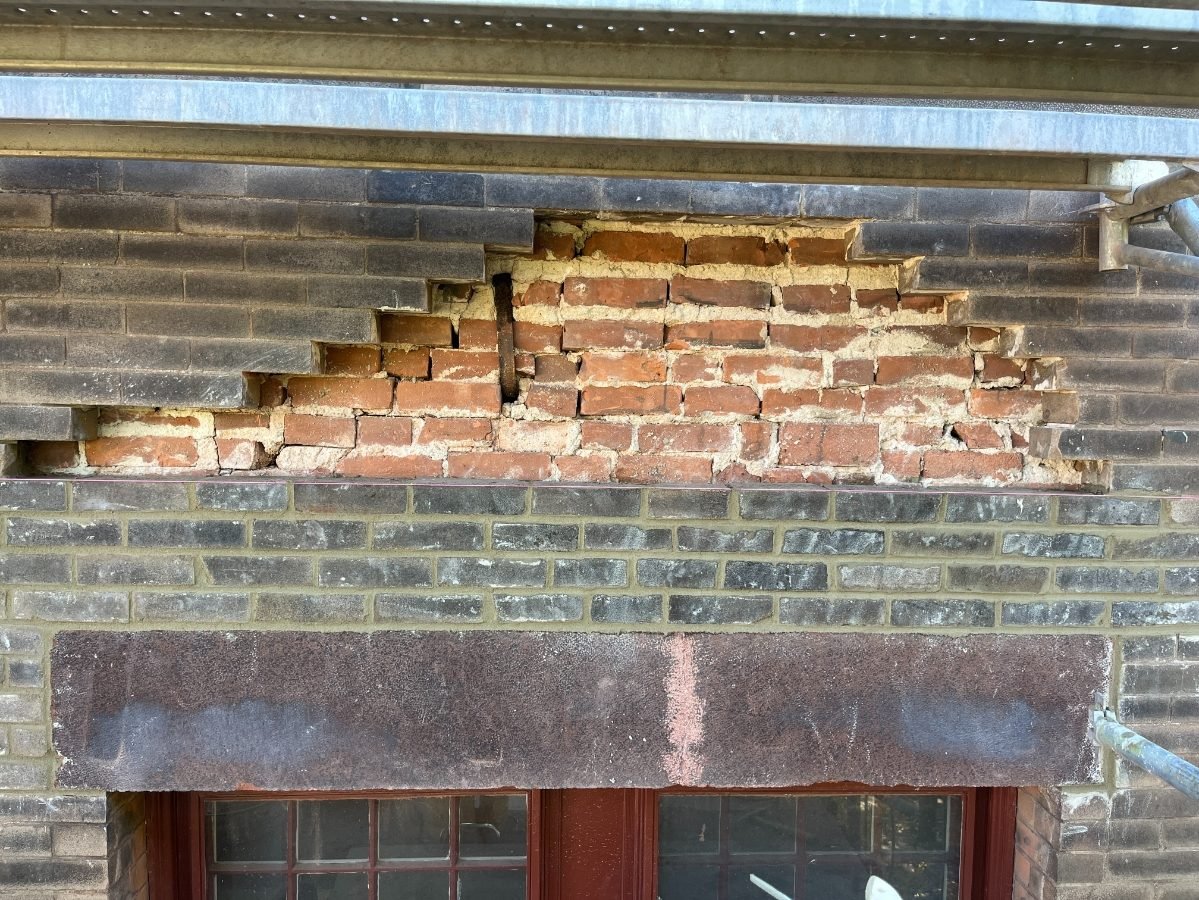
Tell us what's broken.
Send two photos. Get a straight number. Most estimates within 48 hours, across Central Massachusetts and the towns we cover.