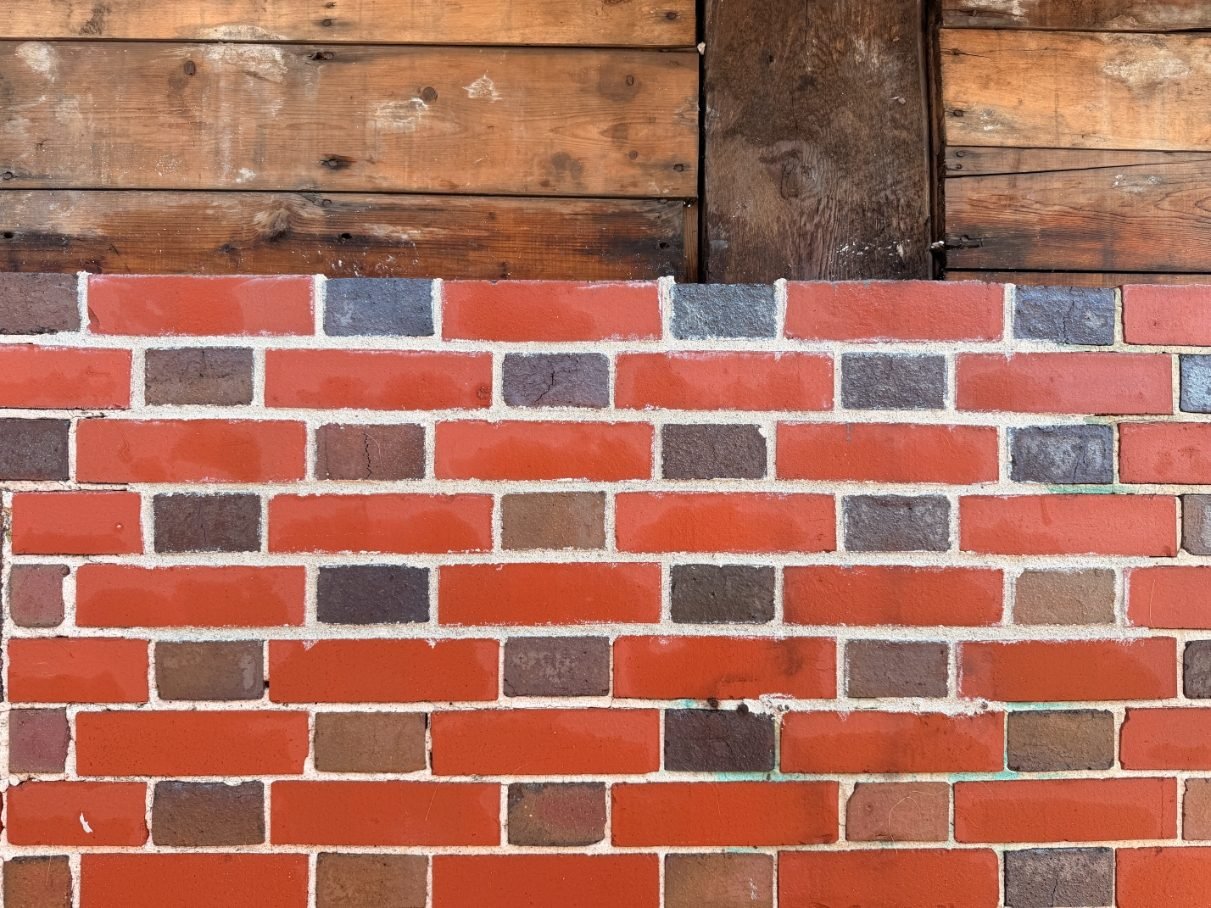
What is brick pointing?
Removing old, failed mortar and installing fresh mortar so the wall is strong and weathertight again. Here's what that looks like on a real job.
Brick pointing — usually called repointing — is the repair of the mortar joints in a masonry wall. The old, damaged mortar is cut out and fresh mortar is packed back in, so the wall gets back both its strength and its weather seal. The brick itself stays exactly where it is.
It exists because mortar is the sacrificial part of a wall. It is meant to erode before the brick does. Replacing it every few decades is normal maintenance, not a sign that something was built badly.
How deep does the mortar get cut out?
Typically the front one to two inches of the joint is replaced. That surprises people who expect the whole joint to come out, but there is a good reason for it.
The face of the joint is the part that takes the weather — rain, wind, freeze-thaw — and it is the part that fails. The mortar deeper in the wall is sheltered and is usually still sound, and it is what keeps the brick bound together. Removing it would weaken the wall for no benefit and risk shifting units that have sat happily for a century.
So the rule is: cut back to sound material, generally a bit more than twice the width of the joint, and leave the good mortar behind it doing its job.
What the work actually involves
- Cut the failed mortar out to depth, by hand where the brick is soft or historic
- Clean the joints out so there is no dust or loose material to bond to
- Dampen the joints so the brick does not pull the water out of the new mortar
- Pack fresh mortar in layers rather than one thick fill
- Point and fill the joints, then tool them to match the original profile
- Protect the work from sun, wind and frost while it sets
How long does it take to cure?
New mortar is generally dry to the touch in about twenty-four hours. The wall is typically washed down a day or two after the work, once the joints are firm enough to take it without smearing.
Full cure takes roughly thirty days. During that period the mortar is still gaining strength and still changing colour — which is why a fresh repoint often looks lighter than the surrounding wall at first and settles in over the following weeks. Judging the colour match on day one is judging it too early.
When is repointing needed?
Run the scrape test. Drag a key or a screwdriver firmly along a mortar joint. Sound mortar barely marks. Failing mortar powders, crumbles, or lets the tool sink in.
The other visible signs are joints recessed behind the face of the brick, sandy grey dust collecting at the base of the wall, cracks running along the joint lines, and moss or small plants growing out of the joints. Weather-facing walls, chimneys and the courses nearest the ground usually go first.
Why matching the mix matters
This is the part that decides whether a repointing job protects the wall or ruins it.
Mortar has to be softer than the brick around it. Old brick, in particular, is far softer than most people assume. Put a hard modern Portland-based mortar against soft historic brick and the wall stops breathing and stops moving — so the brick becomes the weak point instead of the joint. Moisture is forced out through the faces, freezes there, and pops them off. You cannot put the face back on an original brick.
Matching also means sand colour and grain, joint width, and the tooled profile. Get those right and the repair disappears into the wall. Get them wrong and the work is visible from the street for the rest of the building's life.
Matched properly, cut to depth, and cured correctly, repointing lasts for decades.
Next steps
Repointing sits under repair and restoration. If you are not sure whether your wall needs pointing or a rebuild, read repointing vs. rebuilding, or the plain rundown of what failing mortar looks like. For what drives the size of a job, see the cost guide, and when you are ready, send a couple of photos.
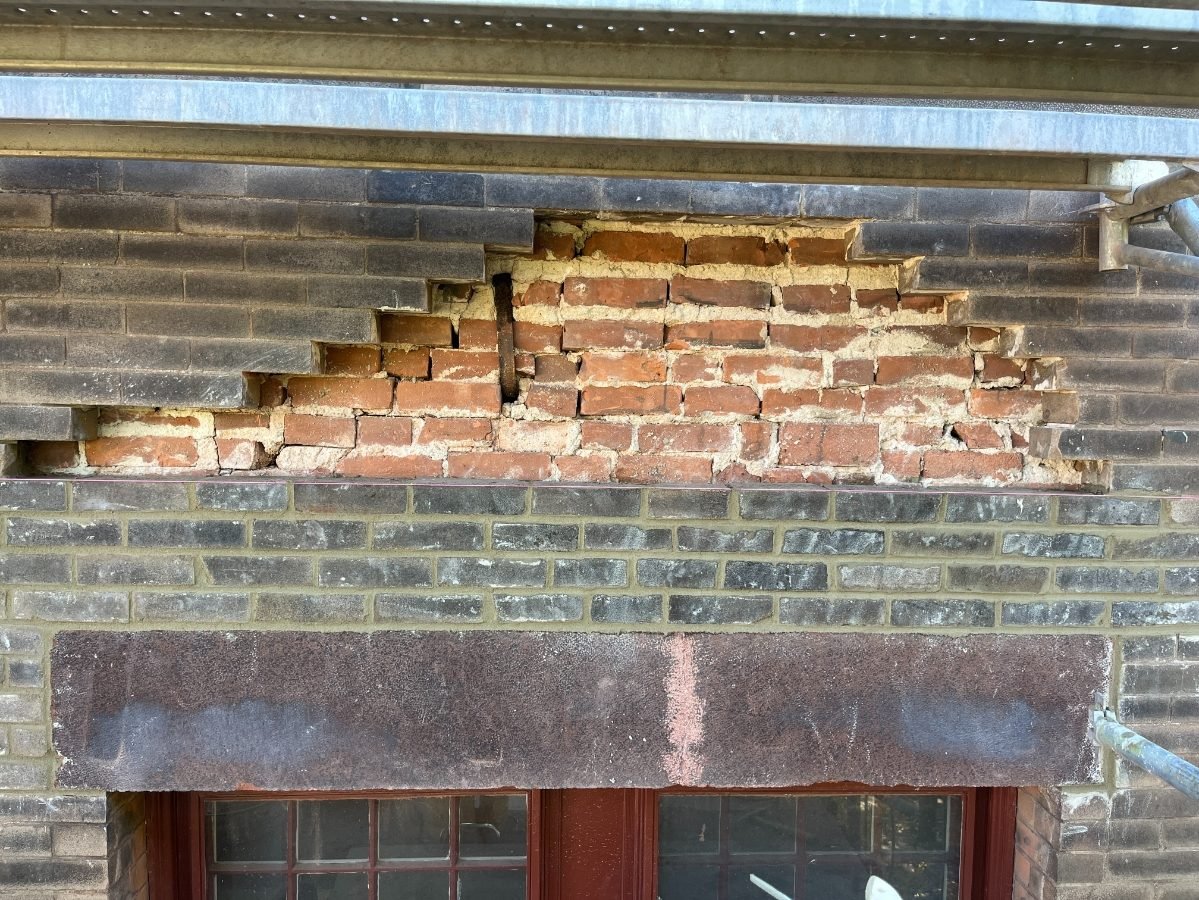
Tell us what's broken.
Send two photos. Get a straight number. Most estimates within 48 hours, across Central Massachusetts and the towns we cover.