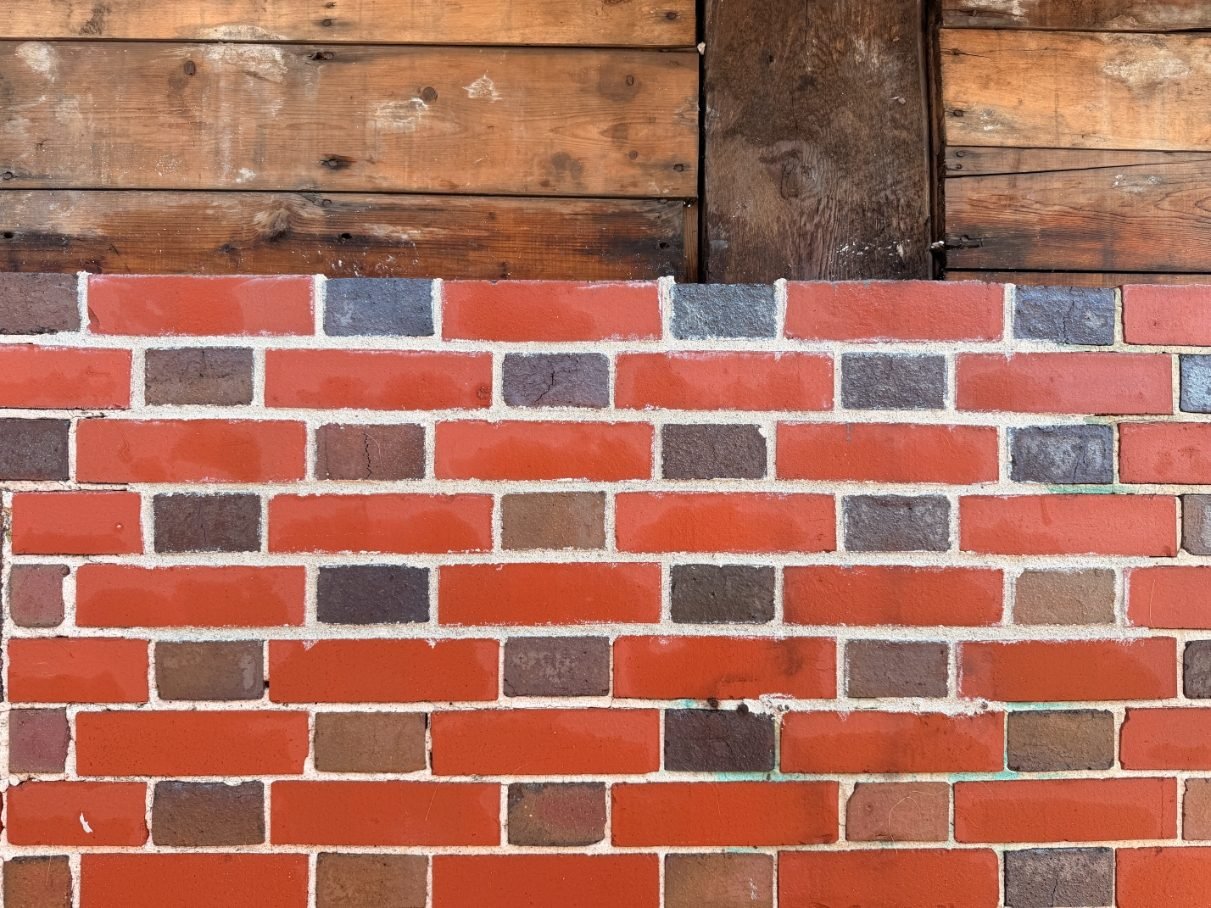
Repoint it, or rebuild it?
Two very different jobs that look the same from the driveway. Here's how to tell them apart.
Brick walls fail in a predictable order. The mortar joints go first, because mortar is meant to be the sacrificial part. Water gets into the open joints, freezes, and starts working on the brick itself. Catch it at the joint stage and you repoint. Miss it long enough and you rebuild.
What repointing actually is
Repointing means cutting the old, failed mortar out of the joints to a proper depth — usually a bit more than twice the joint width — cleaning them out, and packing in fresh mortar in layers. The brick stays exactly where it is. Done right, the wall gets back its weather seal and its finish looks consistent again.
The part that separates a good repointing job from a bad one is the mix. Old brick is softer than most people assume. If the new mortar is harder than the brick, the brick becomes the weak point, and instead of joints failing you get faces popping off. That's permanent damage. The mortar is supposed to lose that fight.
What a rebuild involves
A rebuild means taking the affected section down and laying it back up. That's the answer when the brick itself has gone — spalled faces, crumbling units, courses that have lost their bearing — or when the wall has moved: bulging, leaning, or separating at a corner.
Rebuilds are also structural conversations. If a wall moved, something made it move. Water behind it, a failed lintel, a footing issue, missing ties on a veneer. Laying the same brick back into the same conditions just resets a clock.
Signs that point to repointing
- Joints are recessed, sandy, or you can pick mortar out with a key
- Brick faces are still sound and square
- Damage follows the joint lines, not the units
- The wall is plumb and the courses are straight
- Problem is limited to weather-facing areas or the top few feet
Signs that point to a rebuild
- Brick faces flaking, crumbling, or breaking away in sheets
- Wall bulging, leaning, or bowed when you sight along it
- Stair-step cracks running through brick rather than around it
- Whole units loose enough to move by hand
- Previous repairs sitting on top of previous repairs
What if it's both?
Often it is. The top four feet of a chimney may need rebuilding while everything below just needs repointing. A wall might have one blown-out section and sound joints elsewhere. Good scoping means drawing that line honestly rather than defaulting to the bigger job because it prices better.
Why picking wrong is expensive
Repointing a wall that needed rebuilding buys a season or two, then the same failure returns with the cost of the repointing already spent. Rebuilding a wall that only needed repointing means paying for demolition and new material you never needed.
The bigger risk is a repoint done with the wrong mortar. Hard mortar on a soft historic house will quietly destroy brick you can't replace, and it looks fine for the first couple of years while it does it.
How we approach it
We look at the wall up close, test how sound the brick actually is, find where the water is coming from, and tell you which job you're looking at and why. If it's repointing, we match the mortar to what the house was built with. If it's a rebuild, we scope only the section that's really gone and we fix the cause while we're in there.
Trade-schooled and in the field every day, on everything from small chimney patches to full facade work. See repair and restoration, read what drives cost, or send us a couple of photos.
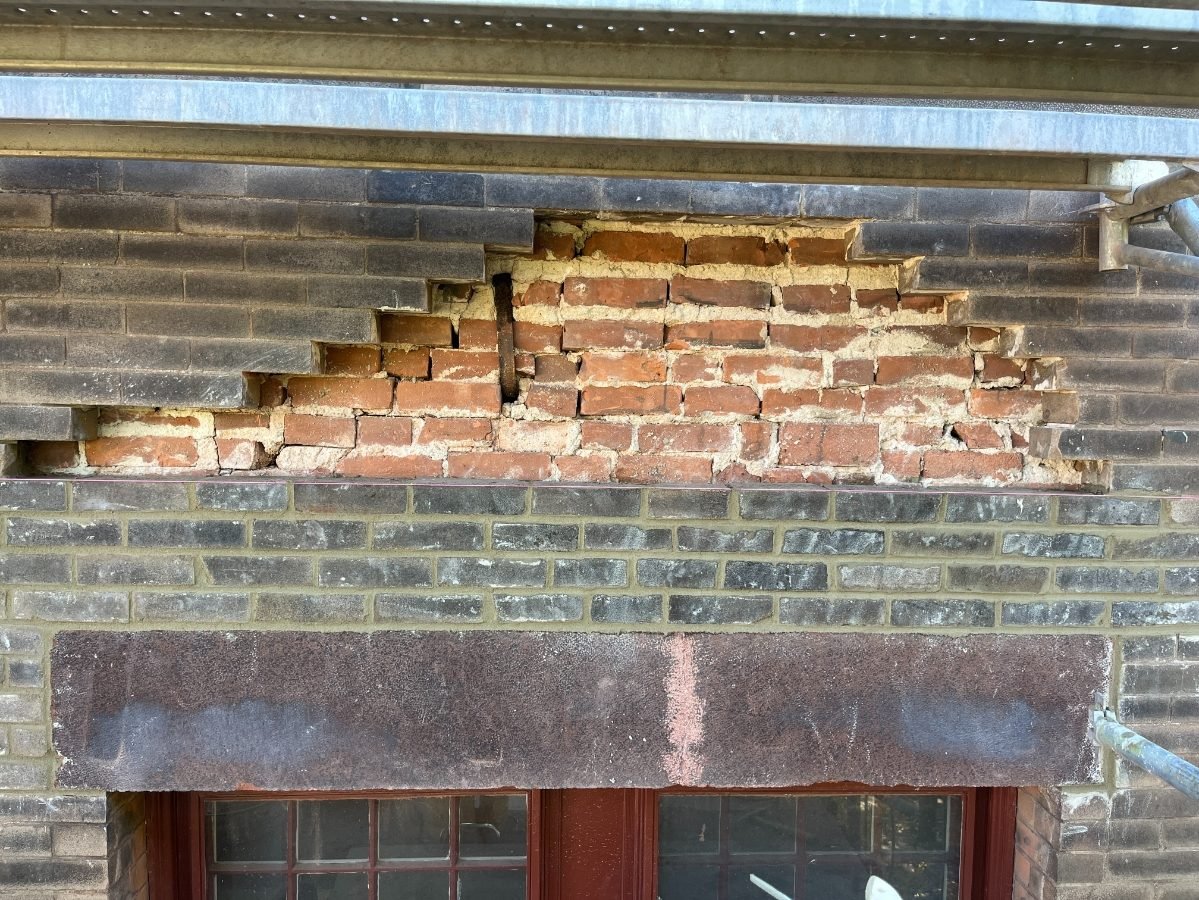
Tell us what's broken.
Send two photos. Get a straight number. Most estimates within 48 hours, across Central Massachusetts and the towns we cover.